Sale Day at the Yards: Stockyards City Keeps the Auction Cry Alive
The Oklahoma National Stockyards, selling since 1910, is among the last big-city stocker auctions in America — and the western-wear district around it, Stockyards City, keeps the whole culture in working order.
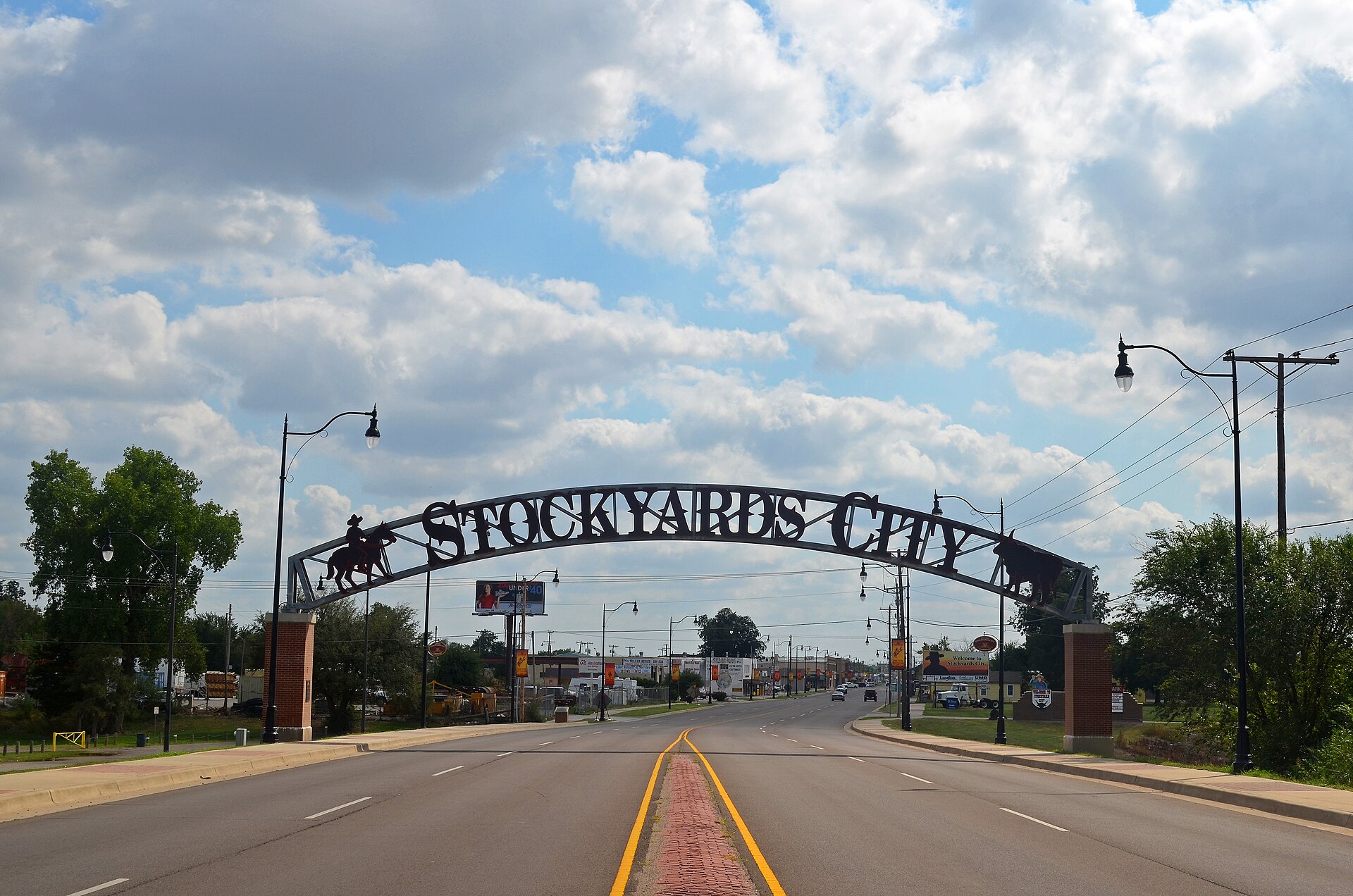
The auction cry still starts the day. At the Oklahoma National Stockyards — operating since 1910 on the North Canadian's south bank, once among the largest cattle markets on Earth — the Monday and Tuesday sales still move thousands of stocker and feeder cattle through the ring in a working week, in a big city, in the twenty-first century. The buyers sit in the same theater of expertise their grandfathers used: a flicked finger, a nod, and another pen of Oklahoma ranch country changes hands at the speed of the auctioneer's chant.
Around the yards, Stockyards City — the Main Street district that grew to serve the trade — preserves the culture in commercial form: the western wear outfitters that can fit a boot and a hat in one visit, the saddle shops, and Cattlemen's Steakhouse, serving since 1910 in a building whose dining rooms have fed presidents and rodeo hands at adjacent tables. This is not a theme district; the hats are equipment, the boots are tools, and the customers are in trade.
November is sale season's heart: fall calves come off the ranches after weaning, the wheat-pasture stocker operators who make Oklahoma's cattle economy distinctive do their buying, and the yards run at the year's fullest — the same agricultural calendar that built the district in 1910, still governing it in the age of the smartphone bid.
Every farm city has lost its stockyards to the interstate's edge. Oklahoma City kept hers in town, working, loud, and open to visitors who want to watch capitalism's oldest American performance. Take a seat in the sale barn. The cry is free, and it is magnificent.