The Canal That Saved Downtown: Bricktown's Water-Swept Second Act
The warehouses were empty, the idea sounded like a souvenir — dig a canal and run boats on it. Instead it became the hinge on which downtown Oklahoma City swung back to life.
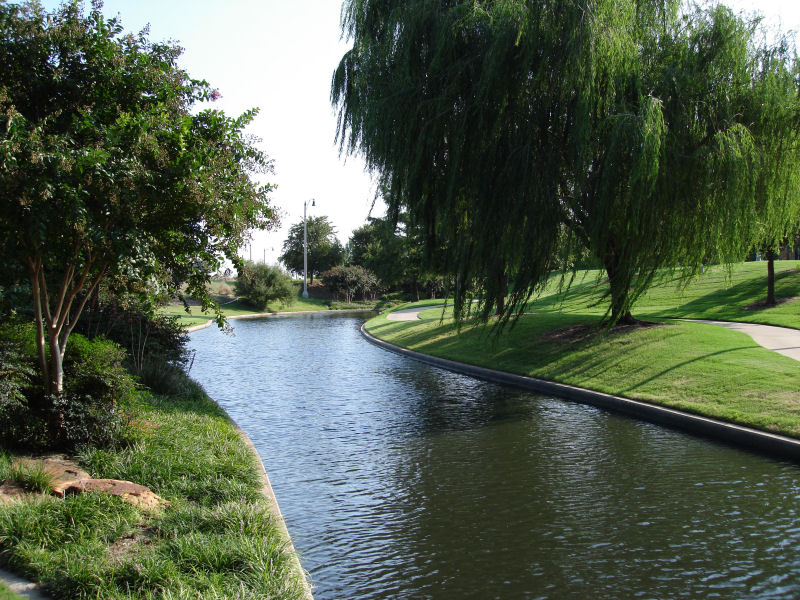
In the early 1990s, Bricktown was the part of downtown Oklahoma City you drove through quickly: handsome brick warehouses from the wholesale era, mostly empty, in a city whose center had been leaking life to the suburbs for thirty years. The canal — a mile-long waterway dug through the district as part of the original MAPS program approved by voters in 1993 — was the plan's most mocked line item right up until the water taxis started running in 1999 and the crowds never really stopped.
The district that grew around the canal is now the city's entertainment front porch: the ballpark (Chickasaw Bricktown Ballpark, opened 1998, universally ranked among the minors' best), restaurants and clubs in the old warehouses, the canal-level patios, and the Centennial Land Run Monument's enormous bronze riders frozen mid-crossing at the canal's south end — the largest bronze on the planet, still being completed figure by figure. The Oklahoma City Dodgers, now the Comets, kept the ballpark; the Thunder kept the crowds downtown year-round a few blocks west.
MAPS itself is the deeper story: a penny sales tax, voted in for capital projects, renewed by voters in successive rounds for three decades — the mechanism by which a self-doubting city taxed itself into a canal, a ballpark, an arena, a park system, and a streetcar. Political scientists study it; Oklahoma City just lives in it.
November on the canal is the locals' season — patio heaters, the holiday lights reflecting on black water, the water taxis running their evening loops. The joke infrastructure turned out to be the foundation. Cities rarely get to say that about anything.