Broadway's Second Century: Automobile Alley's Neon Renaissance
They sold cars there when cars were new — Buicks, Packards, and Fords behind a forest of neon. A century later, Automobile Alley is downtown's dining-and-design row, and the signs still glow.
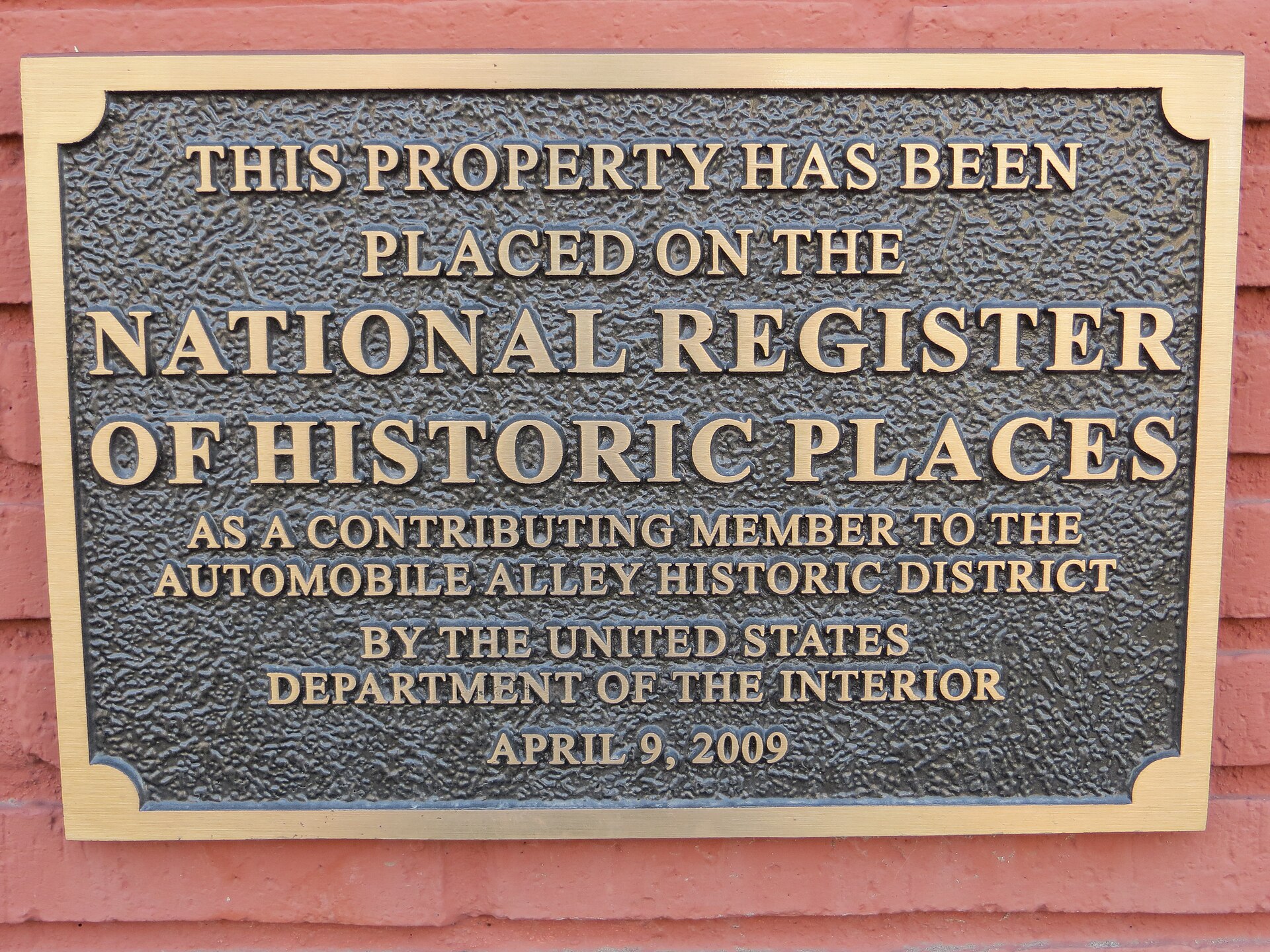
The buildings explain the name: along North Broadway, in the blocks north of downtown's towers, stand the 1920s showrooms of Oklahoma City's first automobile age — brick palaces with terra-cotta trim built for Buick, Packard, and Ford dealers when a car dealership was a cathedral of commerce — crowned, in the neighborhood's modern resurrection, with the restored neon signs that once lit Broadway for a mile of motorists.
Automobile Alley's decline was the familiar mid-century story — the dealers fled to the suburban strips, the showrooms became warehouses and then vacancies — and its revival is the Oklahoma City pattern in miniature: the MAPS decades refilled downtown's core, and the Alley, close enough to Bricktown and Midtown to matter, filled with restaurants, design shops, offices, and apartments in the old showrooms. The district's modern identity — a dining row with genuine architectural bones — was cemented by the very thing that made it obsolete: the buildings were too handsome to tear down and too solid to waste.
November in the Alley is patio season's sequel: the neon comes on against the early dark, the restaurant patios run their heaters, and the streetcars of the modern OKC Streetcar loop glide past century-old brick on their downtown circuit — Broadway's two transportation centuries sharing the curb without a word of argument.
Every city has a street that records its economic history in facades. Oklahoma City's is written in showroom glass and neon tubing, and the newest chapter — dinner, in a Packard palace, under a sign older than the interstate — is the happiest the street has filed in a hundred years.