
The Only Capitol With Oil Wells: Oklahoma's Working Crown
Other capitols have domes — Oklahoma's has a dome AND pumpjacks. The state capitol grounds hold producing oil wells, including Petunia No. 1, flowerbed and all, in the most Oklahoma sentence ever built.
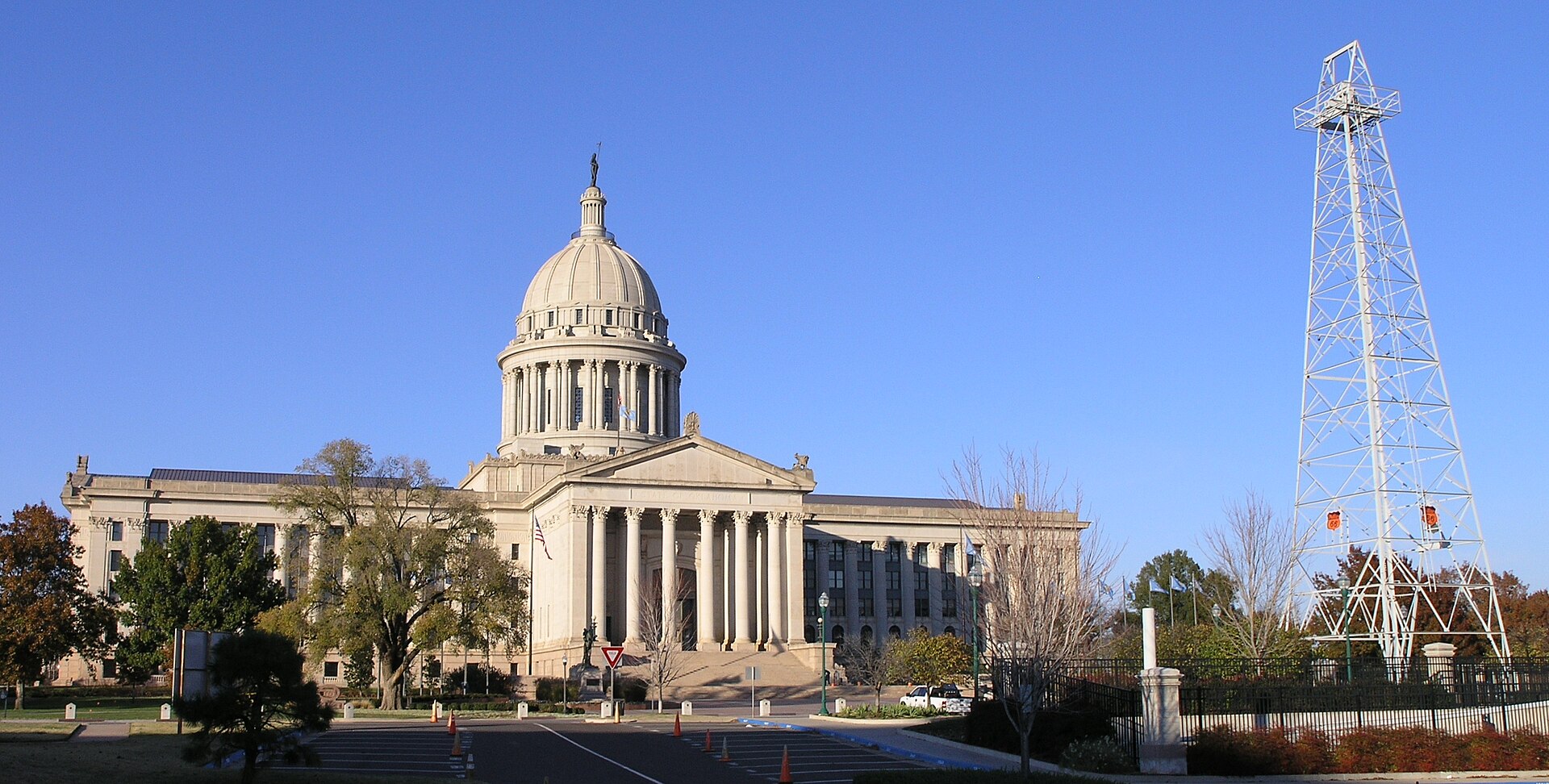
It is the finest sight gag in American government, and it is completely serious: the Oklahoma State Capitol sits in the middle of an oil field, and the field never left. The capitol grounds — 23rd and Lincoln, the geographic heart of Oklahoma City — hold producing wells, and the most famous, Petunia No. 1, was drilled in 1941 directly south of the capitol steps, its derrick rising for decades from a bed of petunias its driller planted to placate the horrified. The well produced for generations; its successor pumpjacks still nod on the grounds today.
The capitol itself took the joke in stride: built 1914-1917 without its planned dome — money and politics intervened — it stood flat-topped for 85 years until Oklahoma finally crowned it in 2002 with the dome and its 22-foot bronze Guardian, a Native American warrior sculpted by former state senator and artist Enoch Kelly Haney. Beneath it, the building works as the state's front office: the governor, the legislature's two chambers, and the supreme court in its own wing, on grounds where the oil patch and the polity quite literally share a fence line.
For the oil and gas industry that remains a pillar of the state's economy and its identity, the arrangement has never seemed odd: the capitol's wells have produced revenue for the state for the better part of a century, a royalty check with a view of the House chamber.
Visiting dignitaries get the tour and the photograph, and the photograph always works: dome above, pumpjack below, the whole Oklahoma thesis in one frame — government and geology, marble and crude, sharing the same front yard like they've been doing it forever. They nearly have.