Loud City's House: The Thunder Turned a Stolen Team Into a Civic Religion
They arrived in 2008 as Seattle's leftovers and became, by any measure, the loudest identity Oklahoma City has ever had. Paycom Center in November is where the city's winter lives.
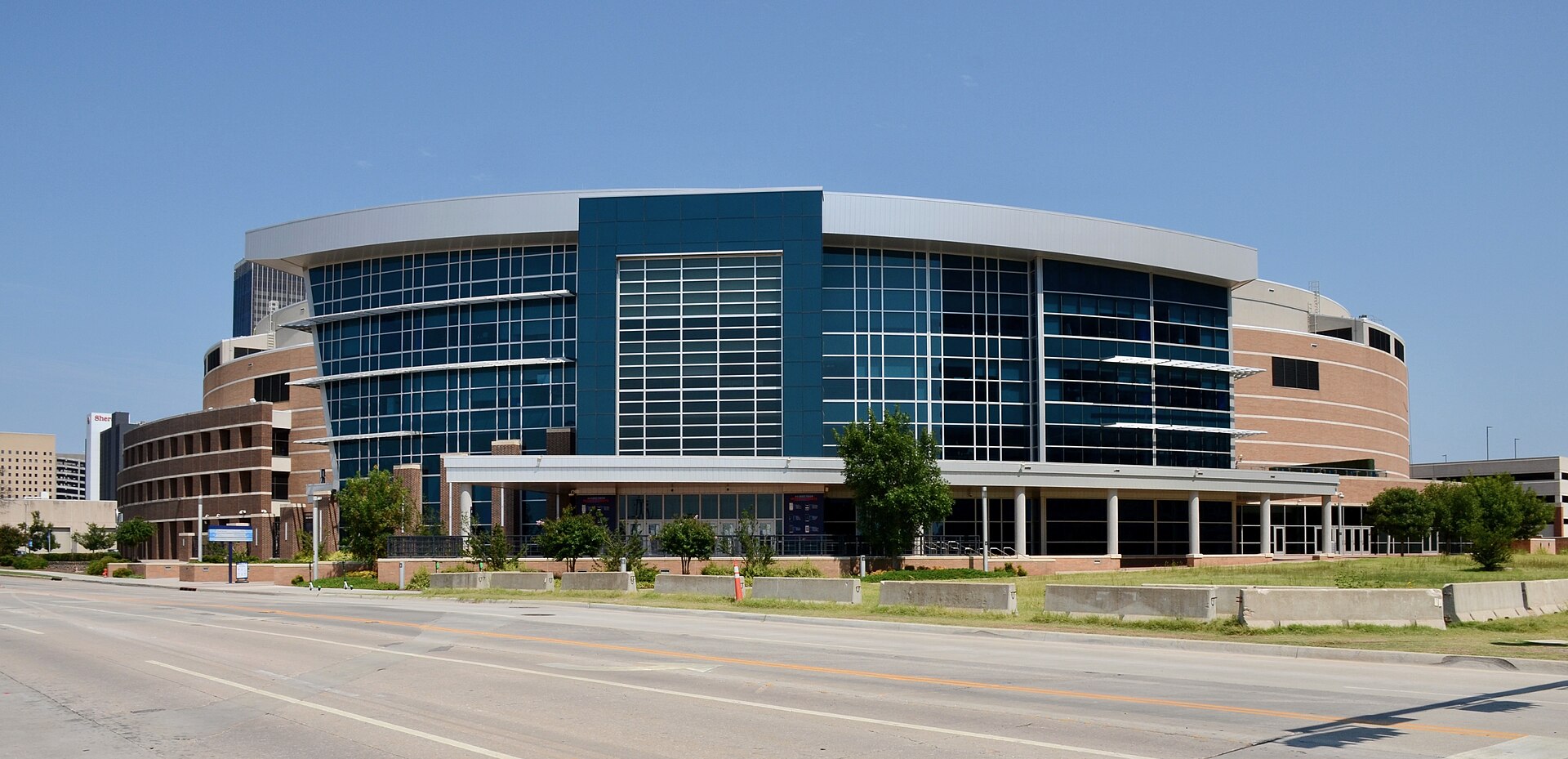
The origin story is told with a wink now, but it mattered: when the Seattle SuperSonics relocated to Oklahoma City in 2008, the franchise arrived as the NBA's smallest-market experiment, in an arena built on speculation, in a city that had only ever hosted big-league basketball as an emergency act of kindness for New Orleans after Katrina. The experiment's results are visible from the highway: 'Loud City,' a fan base that made a 2012 Finals run a generational memory, an MVP era, a teardown, a rebuild — and a young core that turned the experiment into one of the league's model organizations, crowned in this decade with the championship the whole arc had promised.
Paycom Center, the MAPS-built arena at Reno and Robinson, is the city's winter living room — 18,000 seats of steep, loud intimacy, with a crowd whose standing-until-the-first-basket tradition has survived every roster. The franchise's deeper civic work is woven into the same story: the Thunder's arrival is the exhibit every Oklahoma City booster uses for what the MAPS decades bought — the moment the city stopped auditioning and started belonging.
November in the NBA is when promise meets schedule: the early home stands, the league's other contenders cycling through, and the fan base grading a team built, patiently and on the record, to contend for years rather than months.
Other cities have teams. Oklahoma City has a proof — that a place can vote to tax itself, build the room, land the franchise, and become, undeniably, a big-league town. The proof plays home games through April. Loud City keeps the receipts and the noise.