
Blue Norther Season: November Is When Oklahoma Weather Picks Up the Pace
The front comes down the plains with nothing to stop it but a barbed-wire fence, the temperature falls thirty degrees by supper, and the wind does the rest. A field guide to Oklahoma's signature month.
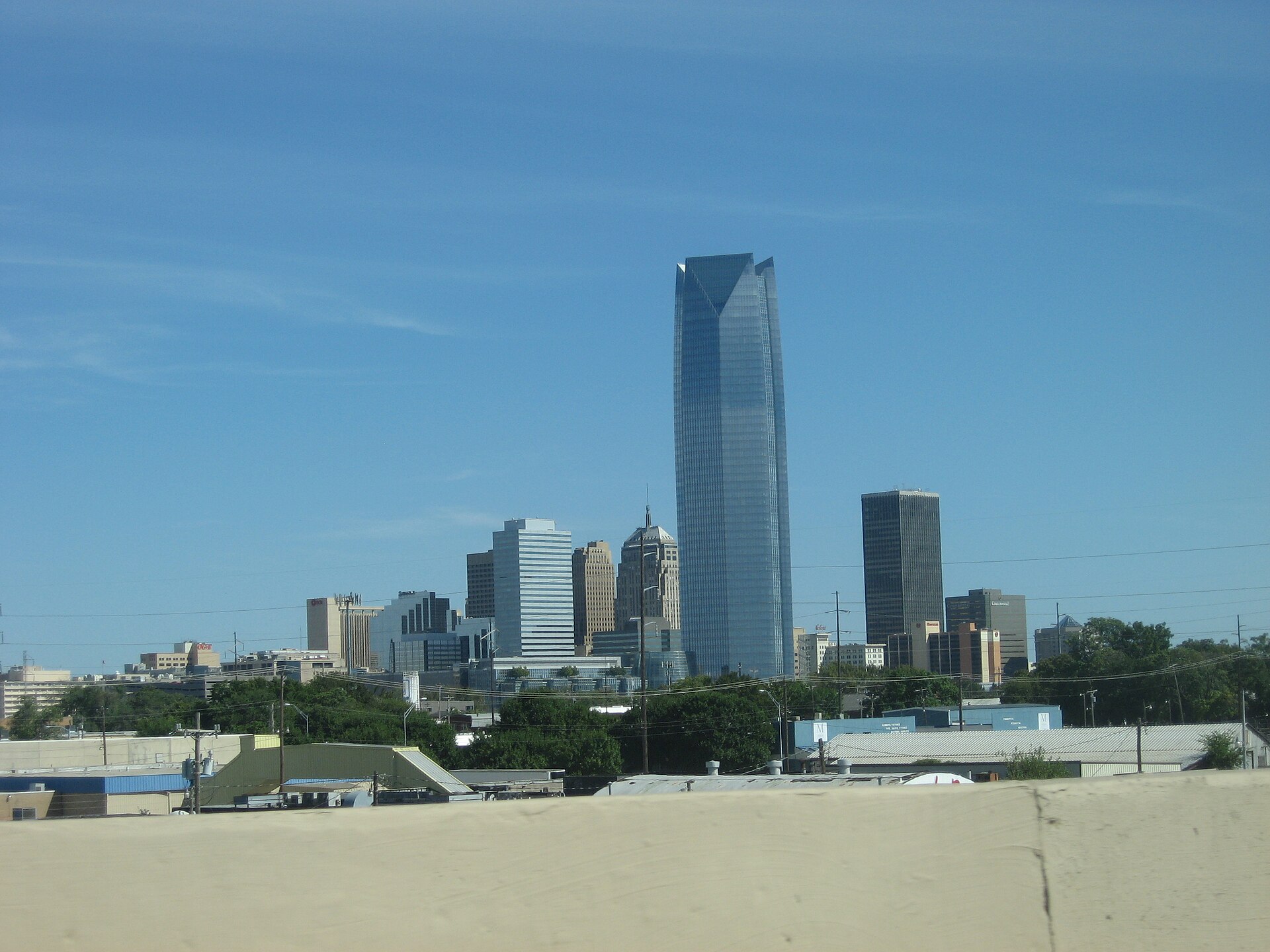
The old-timers named the phenomenon for its color: a 'blue norther,' the fast cold front that drops out of the High Plains under a sky gone steel-blue, is Oklahoma's signature weather — and November is its season premiere. The state sits at North America's great atmospheric crossroads, where Gulf moisture, Rocky Mountain air, and Arctic fronts all have right-of-way, and the fall is when the Arctic starts winning its arguments on the schedule: a Monday in shirtsleeves, a Wednesday in a coat, and a temperature graph like a staircase.
The National Weather Service office in Norman — in the National Weather Center, the building that makes this metro the tornado-science capital of the world — tracks November as a hinge month: the last tropical moisture of the year wrung out in early rains, then the dry, windy pattern of deep fall, with the state's first freezes arriving on the northwest wind and the first ice events stalking the month-end. November also carries a genuine secondary severe season; the same frontal collisions can spin storms, and Oklahoma's rule is eternal: the sirens and the phone alerts do not check the calendar.
For daily life the translation is practical. The wind is the tax: it finds every unsealed window, turns the high bridges slick a half-hour before the roads, and makes the panhandle-to-Red-River temperature spread a single-state trivia answer. Livestock, pipes, and tire pressure all want attention in the same week.
Stand outside on a norther evening and the whole state explains itself — the sky clearing hard and fast, the stars coming out in arctic air, the wind worrying the signs. Oklahoma weather doesn't do mild for long. November is when it stops pretending.