The Crosstown and the Crossing: I-40, I-35, and the Geometry of an Oklahoma City Commute
Two of America's great highways cross just south of downtown, and a decade ago the state picked up I-40 and moved it. The modern crosstown is the road the whole region thinks with.
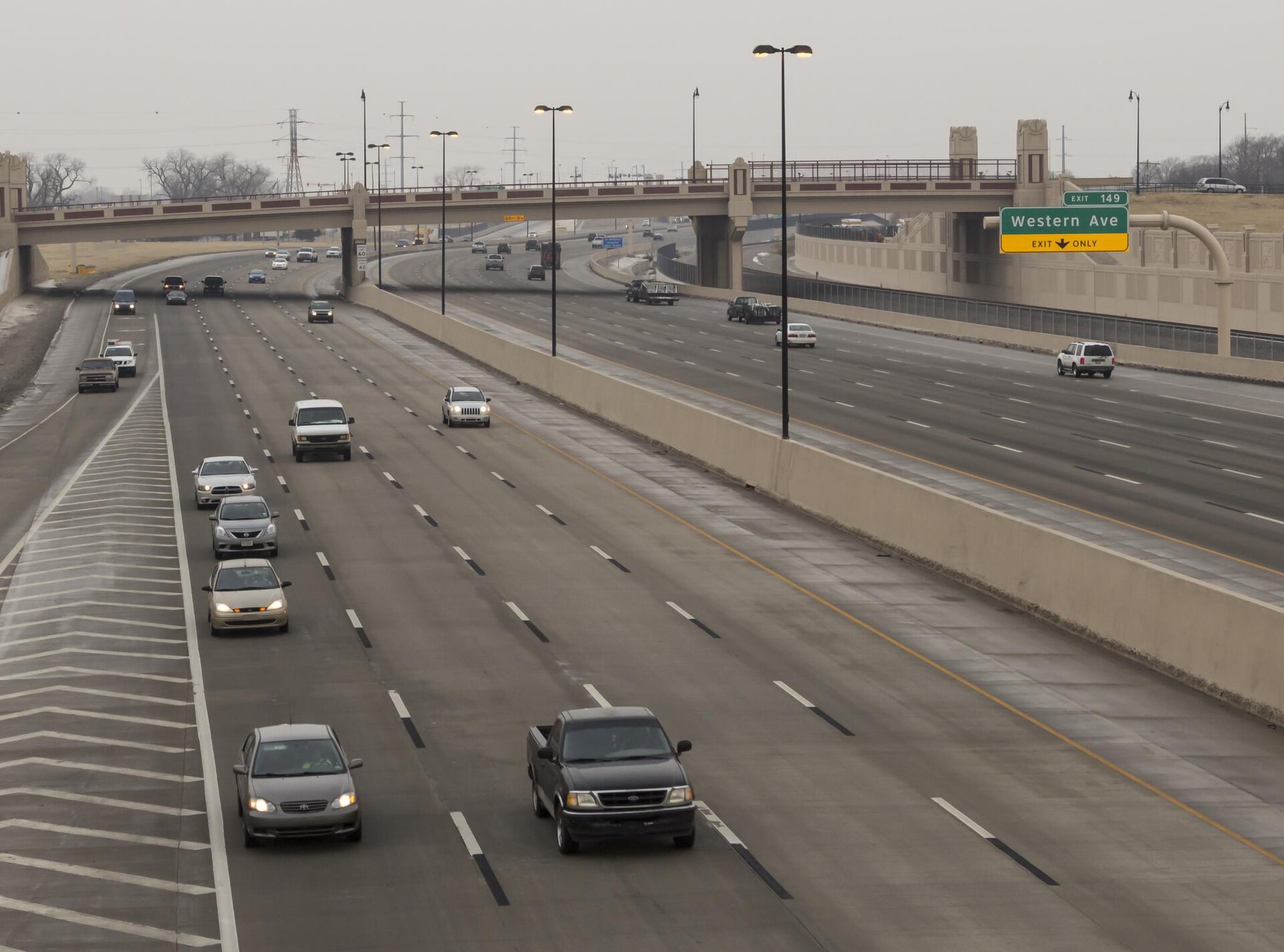
Every Oklahoma City commute is a negotiation with one intersection: the crossing of Interstate 35 and Interstate 40 just southeast of downtown, where the continent's north-south and east-west main streets meet and where the metro's Norman, Moore, Edmond, and Yukon flows all come to be sorted. A generation of drivers remembers the old Crosstown — the elevated I-40 viaduct that carried the interstate directly along downtown's south edge, aging, cramped, and in its later years, held together with inspection reports.
The state's answer, opened in 2012, remains one of the boldest pieces of highway surgery in the region: a brand-new I-40 alignment built a few blocks south on the ground — ten lanes, modern interchanges — and the old elevated roadway demolished, its footprint reborn as Oklahoma City Boulevard, the street that let Bricktown and the park district breathe. The new Crosstown's ramps feed the I-35 junction in a braid engineers tour and commuters have, mercifully, mostly memorized.
The modern frictions are capacity and choreography: the I-35 corridor south to Norman thickens every year with the metro's fastest growth, the junction's weave zones punish the inattentive, and the whole system's weather exposure — this is Oklahoma, where November can deliver a front that ices the bridges while the pavement stays merely wet — keeps ODOT's bridge crews on the overnight call list.
Know the alternates before you need them: Shields, Robinson, and the boulevard carry the locals' cross-town knowledge, and the five minutes spent checking the traffic map in November is the cheapest insurance in the metro. The Crosstown works — drivers just have to remember it's a river crossing of traffic, and respect the current.